It’s 5:50 a.m. on a Thursday, and just on the other side of the door, I hear them.
Women’s voices drift through the cool morning air, speaking a language I don’t understand—not Spanish, but K’iche’. A baby cries. Another small voice asks for a cookie. Somewhere a little farther off, someone listens to a video on their phone, ranchero music spilling out softly. From the sound of it, there’s already quite a crowd.
They’re here for the clinic.
Which doesn’t open until eight.
Why do they come so early?
Why are they willing to wait so long—before even coming inside to wait longer?
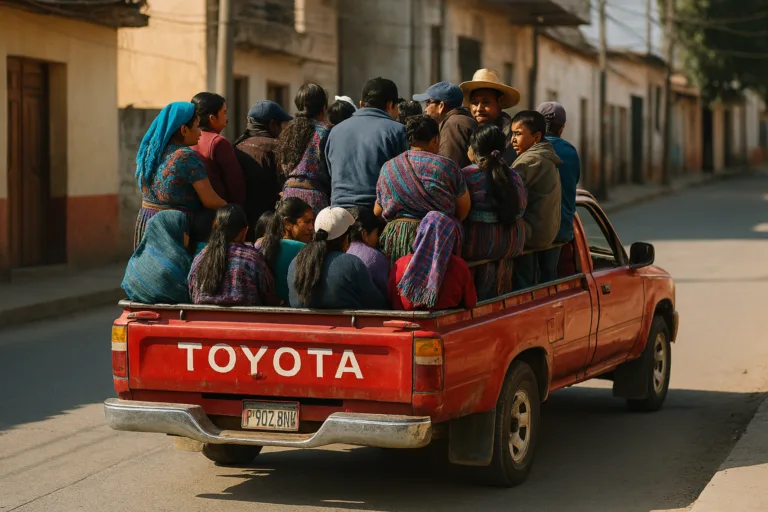
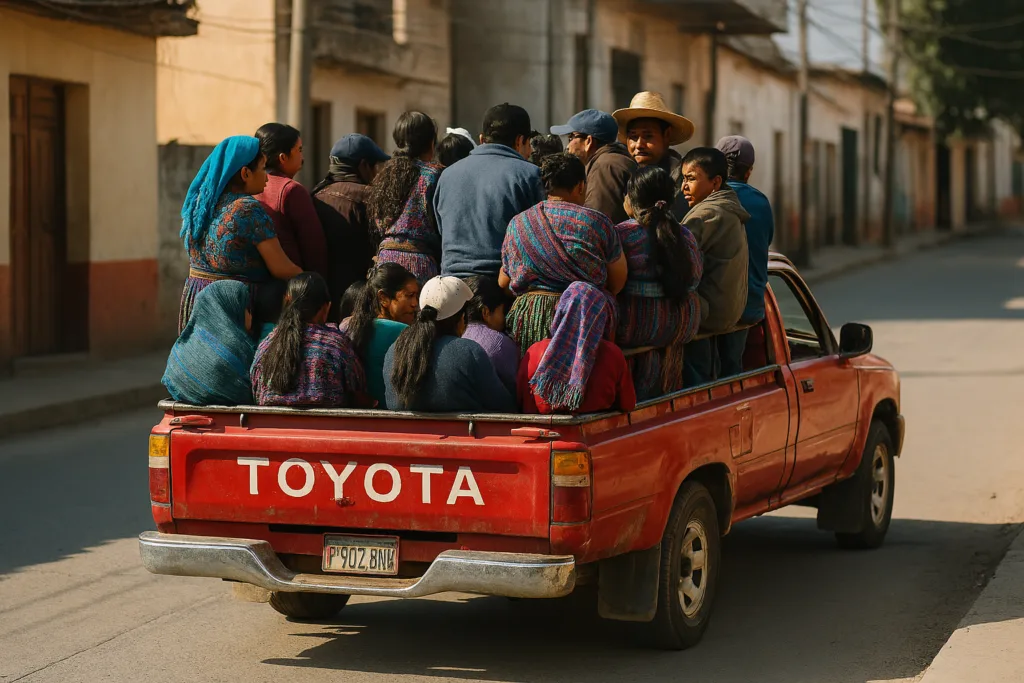
Thursdays are market days. It’s the one day a week when pickup trucks pour in from the surrounding villages, loaded with vegetables, woven carpets, and anything else that can be sold or traded. It’s the day people buy what they need for the week. It’s also the only day trucks reliably come from everywhere.
So this is the day our moms from the rural mountains come for their appointments.
As the sun rises, they sit and wait. Waiting is normal here. If you have an appointment with a specialist, you’ll likely be seen hours after the scheduled time. I know someone whose 9 a.m. appointment didn’t happen until 8 p.m. No exaggeration.
Compared to that, waiting a few hours for a small clinic feels manageable—almost kind. It’s certainly better than the long, unpredictable lines at the health center. That’s why some people come for a consult even if they aren’t pregnant, hoping to avoid the longer wait elsewhere.
So our patients wait outside.
Then they wait for their turn.
And even with all that waiting, each woman leaves feeling seen.
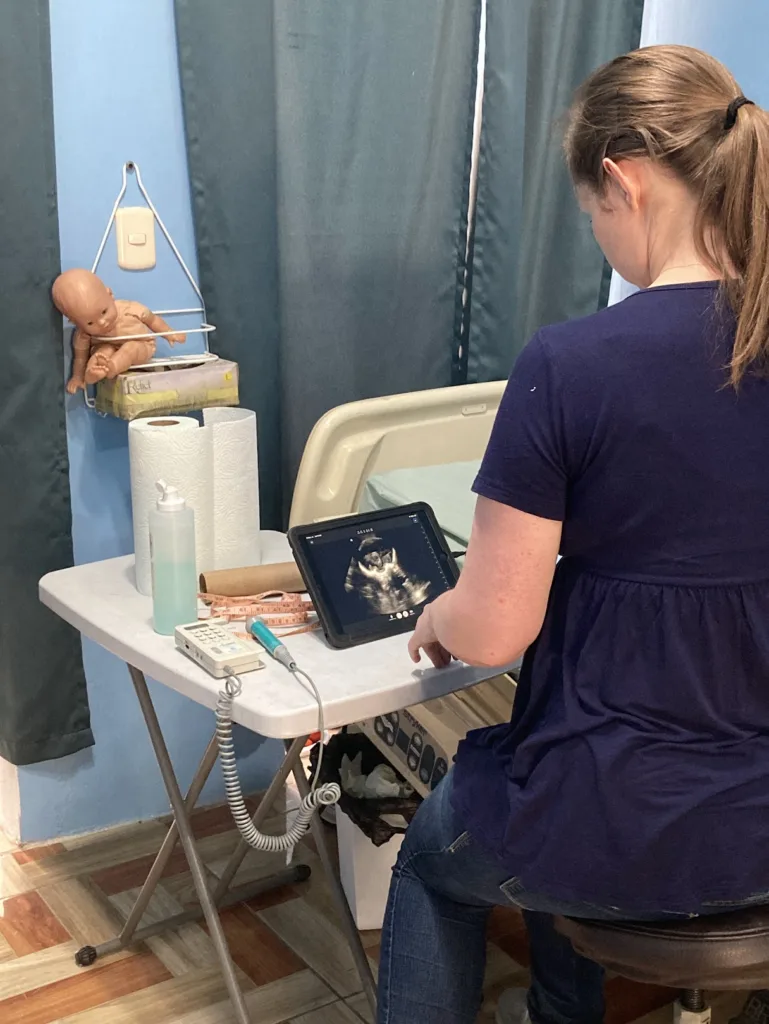
When we do an ultrasound and the little one is shy—turned just enough away to keep their secret—we don’t rush past it. We look longer. And then longer still. We tilt, we wait, we try again until, when possible, we can finally share the news everyone is hoping for: alla o alli—K’iche’ for boy or girl.
And yes, sometimes that small fry simply isn’t cooperating on this visit. But even then, they know we tried.
At other appointments elsewhere, this kind of time isn’t given. Finding a baby’s gender can take a while, and they don’t have time- the information just isn’t shared. Even through their entire pregnancy. Another detail many of our patients don’t hear anywhere else is a due date—something simply, but grounding. Something to hold onto.
So the waiting feels worth it. They don’t feel rushed. They feel listened to. They feel cared for.
We do our best to take our time with each one, while still getting them back on the road before the trucks leave town—before the day moves on without them.