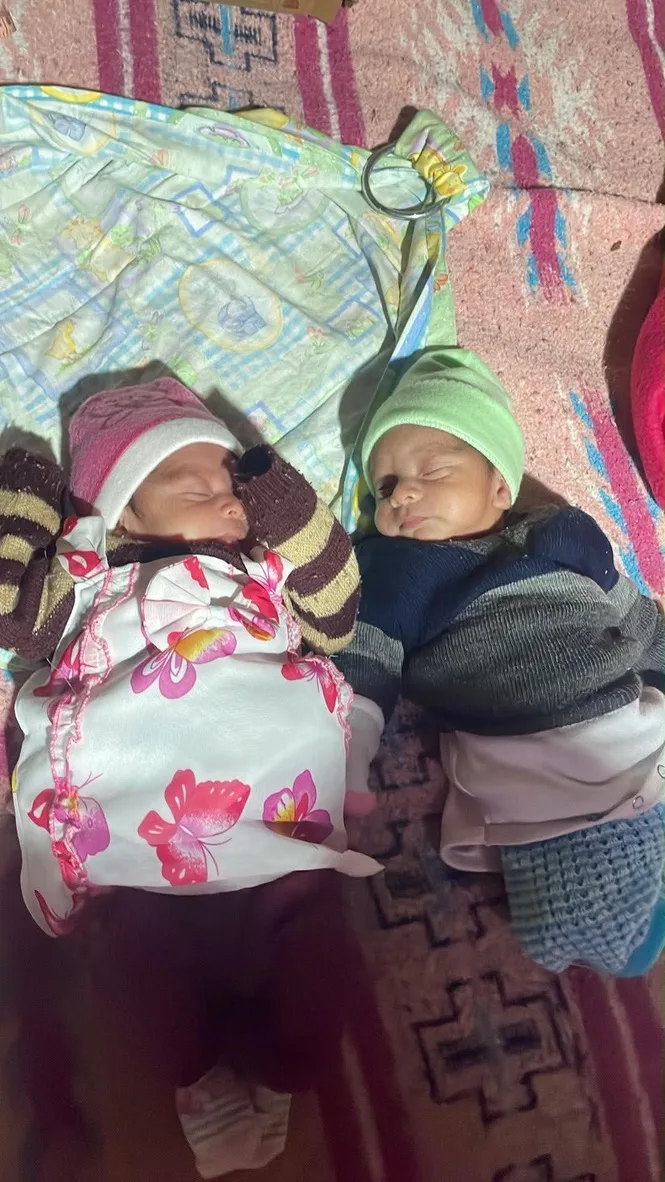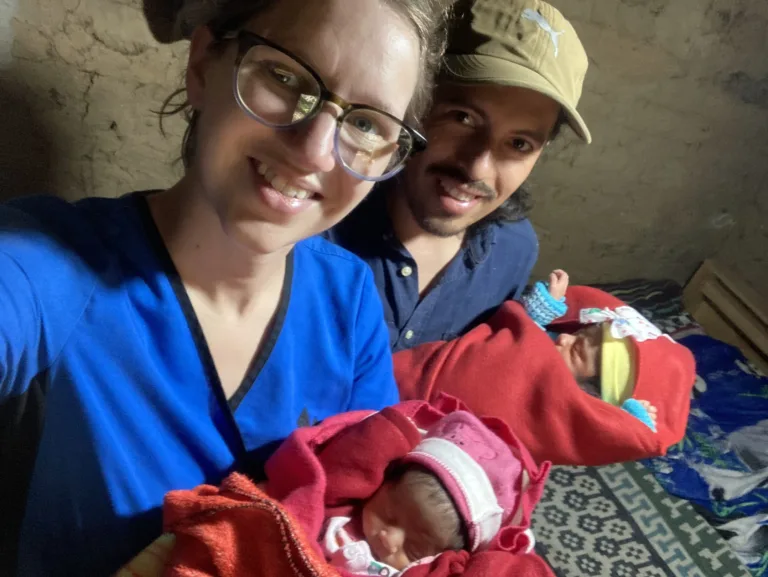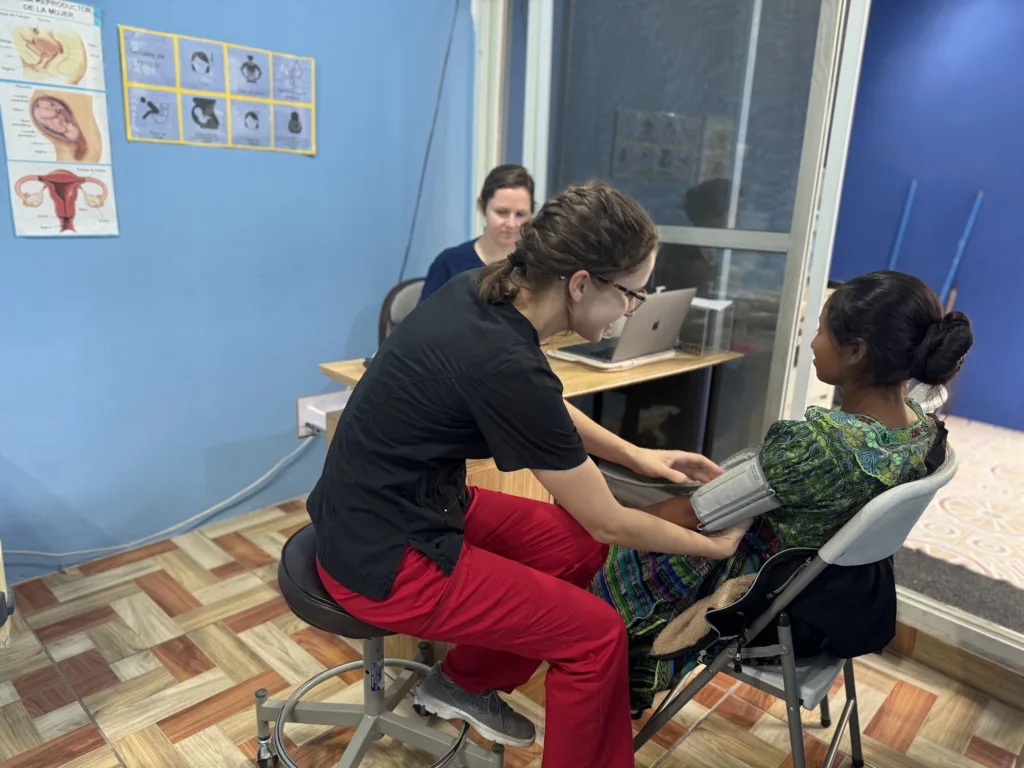
One thing we see in nearly all of our patients is an apparent lack of pregnancy problems.
Well… I should clarify—a lack of sharing about pregnancy problems.
We ask every patient who comes in how they are doing. How is the pregnancy? Do they have any concerns, irritations, pains? And nearly every one of them replies the same way: “Estoy bien.” No problem. I’m good.
The issue is—they often aren’t.
When we begin asking more specific questions—Do you have headaches? Nausea? Back pain? Trouble sleeping?—that’s when the fuller picture comes out. Many of them are actually carrying quite a lot of discomfort and struggle.
So why don’t they share sooner?
Years ago, when we attended deliveries in another department, we noticed something else: mothers here don’t scream during labor. They don’t make much noise at all. At most, they cry softly.
At first glance, it’s tempting to say this is because of the strength of Guatemalan women. And they are incredibly strong. But I don’t believe strength is what keeps them silent.
It’s something else.
It’s generations of medical oppression.
Not complaining about pain here is not a sign of strength—it’s a learned response. A survival strategy.
Tired nurses and doctors sometimes yell at patients who are loud or “problematic,” telling them to be quiet. Women are expected to comply, to endure.
Unfortunately remote churches can perpetuate this further. Complications are a result of sin, so nobody want’s to have problems.
Most moms are told how to give birth without being offered alternatives.
One highly recommended doctor told a friend, “Everyone chooses to deliver on their back”—and later admitted he had never delivered a baby in any other position.
Hospitals are often overcrowded. In some cases, two women may share a bed while laboring. With so many patients and so few resources, labor is expected to move quickly. When it doesn’t, interventions follow—often in the form of C-sections.
The vast majority of C-sections we see are done with vertical incisions, increasing recovery time and limiting options for future births.
Nationally, C-section rates are around 26%, already above the CDC’s recommended 10–15%. But those numbers don’t tell the whole story. In private hospitals, rates are closer to 17%. In public hospitals, they climb as high as 48%.
Geography matters too. Rural areas see rates between 16–26%, while urban settings can reach 38%—likely due in part to the overcrowding and pressures within hospital systems.
Because of this, many rural Indigenous women prefer to deliver at home with community midwives. These midwives are untrained in the formal sense—they may not be able to read or take medical vital signs—but they carry experiential knowledge and the trust of their communities. That trust matters.
This is why partnership is so important.
We don’t do deliveries. We don’t need to.
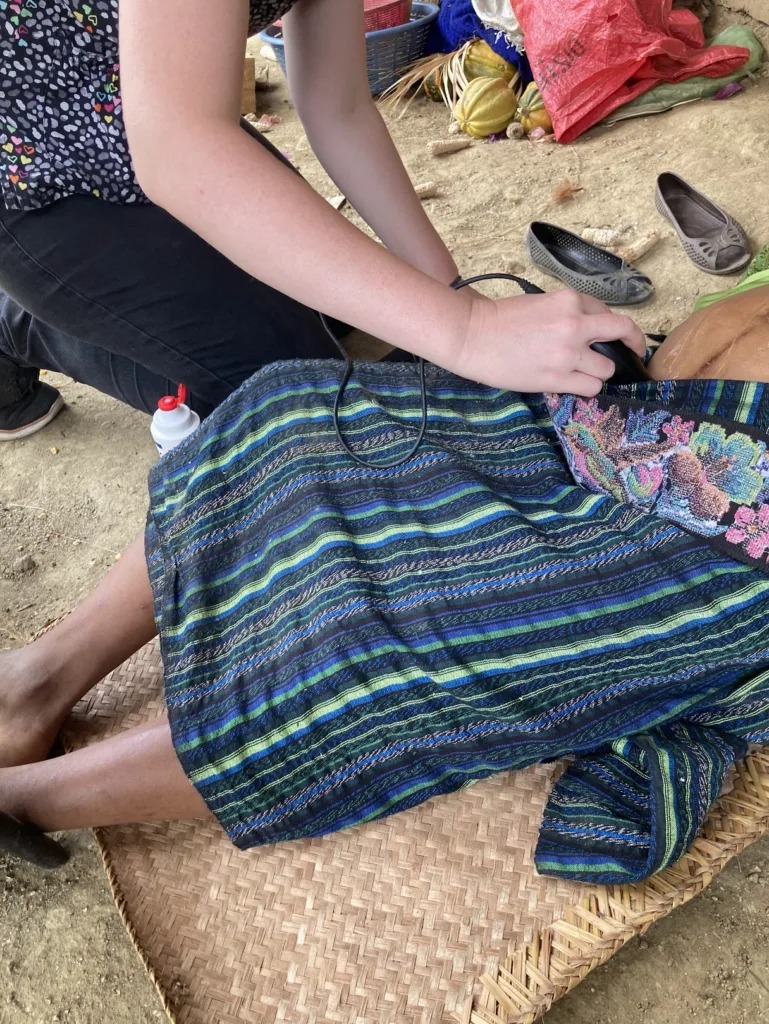
Instead, we come alongside these midwives and fill in the gaps.
Where they bring experience, relationship, and cultural understanding, we bring medical training and tools.
Together, we can identify risks early and recognize when a pregnancy is no longer safe to manage at home. That partnership allows midwives to continue their work more safely, without losing the trust they’ve built.
We respect each other.
From a U.S. perspective, it might seem obvious to say, “Let’s just have everyone deliver in a hospital,” especially when distance from emergency care is so great.
But here, as you see, the reality is different.
For many women, the risk of unnecessary surgical intervention in a hospital is higher than the risk of delivering at home—as long as we can reasonably rule out complications ahead of time.
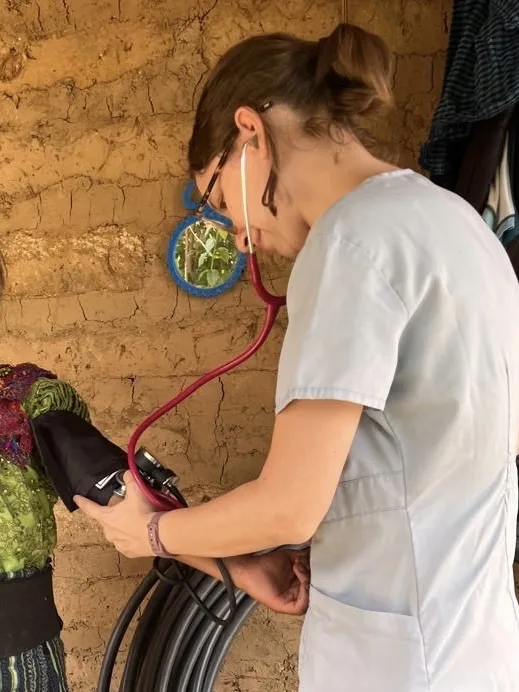
And so, we listen more carefully. We ask more questions. We look beyond “Estoy bien.”
Because often, “I’m fine” is not the whole story.
And this is where you come in.
The work happening here is quiet, but it is deeply impactful.
Every prenatal visit, every conversation that gently uncovers a hidden symptom, every partnership with a midwife—these moments are preventing complications, protecting mothers, and saving lives.
Your support allows us to keep showing up—to keep listening when others have stopped asking, to keep equipping local midwives, and to keep advocating for women who have learned to stay silent.
When the world hears “Estoy bien,” we have the opportunity to lean in and say, “Tell me more.”
Because every mother deserves to be heard. Every mother deserves safe care. And together, we can help make that possible.