
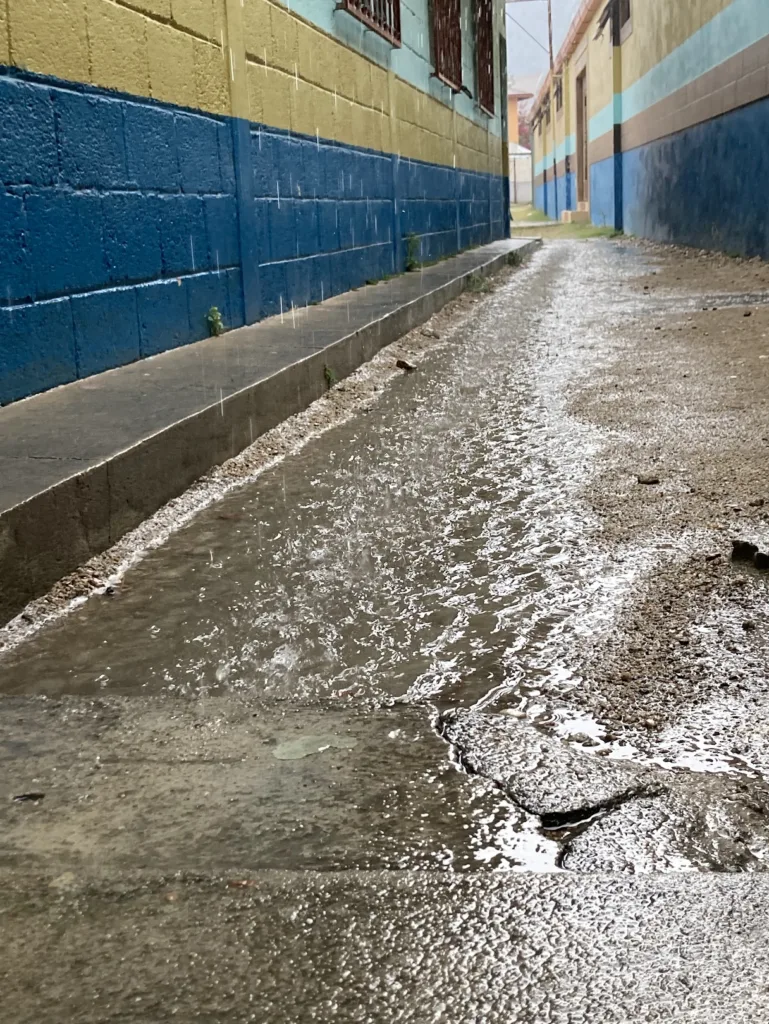
Last night it rained.
Which sounds like no big deal during rainy season, right? Of course it would rain during rainy season.
Except that it hasn’t been.
It hasn’t been raining here. Hardly a drop.
Usually, the rains start in May and continue through October, but this year we’ve had dramatically little rain, and it’s already September!
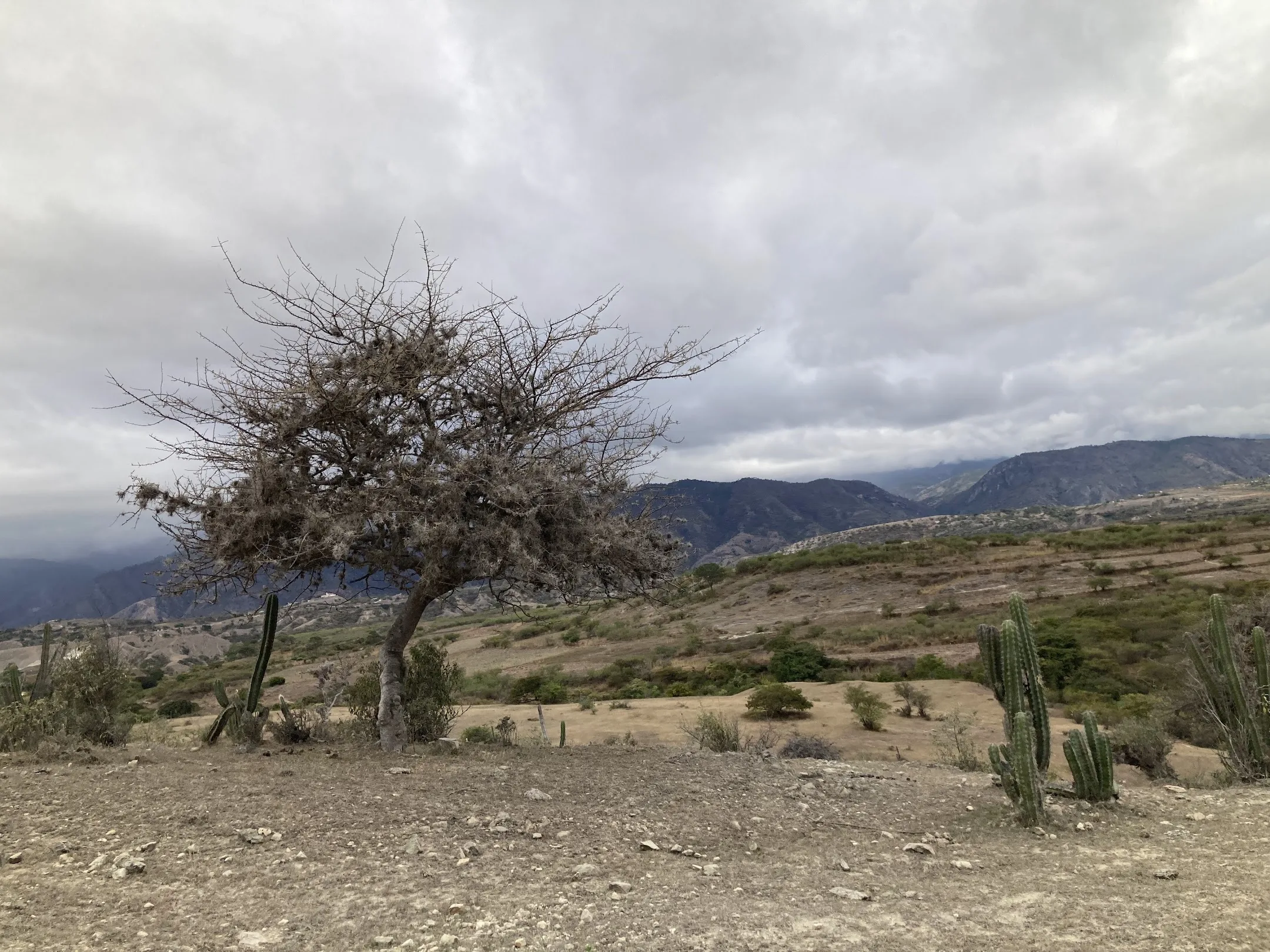
Everywhere you look, you can see it.
The bare mountains are brown rather than vibrant green. The corn is yellowing and withering, and people everywhere are running out of water. Some friends wait until 2 a.m. to shower because there is no water available until everyone else is asleep. Other friends in a town over struggle greatly with the town’s already poor infrastructure and go weeks at a time without any water in their homes.
People get creative.
There may be no rainwater to collect, but friends who have washing machines save the water from the second rinse cycle to reuse for the next load’s first rinse. In this way, they only need to fill the machine once per load.
Most families have to pay for water trucks to come fill their reservoirs.
Actually, as I write this, I can hear water finally trickling into the small cistern built below our house because of last night’s rain. Most families only have large plastic tanks to store water, so we are very blessed to have this access. Although our cistern has gotten low, we have not run out of water in our careful-to-conserve little household of two (and counting).
Another issue with the lack of rain is the heat.
Without rain to cool things off, the heat of March and April has lingered. While the nights can cool down somewhat, it has remained quite hot, and the intensity of the sun means you avoid going out in the afternoons whenever possible.
Pregnancy has made this less than ideal, to say the least! I sweat during the day, I sweat at night, and honestly, I kind of just sweat all the time.
So why no rain? Why so hot?
I imagine you’ve noticed, too. This isn’t just Guatemala.
Maybe you’ve been hearing all the talk about the El Niño phenomenon. The drought and heat led me to do some reading, and it seems that this year’s El Niño is shaping up to be one of the strongest in decades.
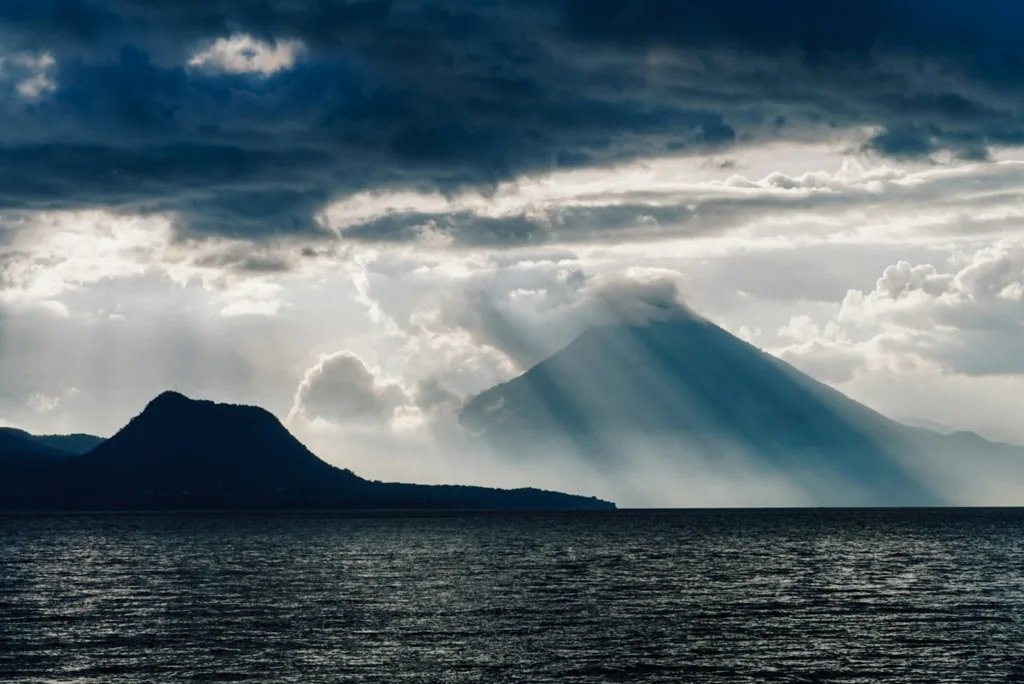
This weather pattern is somewhat unpredictable and can occur every two to seven years. It results in warmer ocean temperatures and shifts in rainfall patterns around the world.
While some areas experience severe drought, others receive excessive rainfall and flooding. Southern South America, portions of the southern United States, and eastern Africa are among the regions that often receive higher rainfall during El Niño events.
Meanwhile, other areas, including northern South America, southern Africa, eastern Asia, and Central America, frequently experience drought conditions.
Some of this is global, and some of it is due to our local geography.
Although Guatemala as a whole is known as the “Land of Eternal Spring” for its temperate climate and lush landscapes, the country has an incredibly diverse range of microclimates. These include warm coastlines, rainforests, mountains, semi-arid valleys, and more.
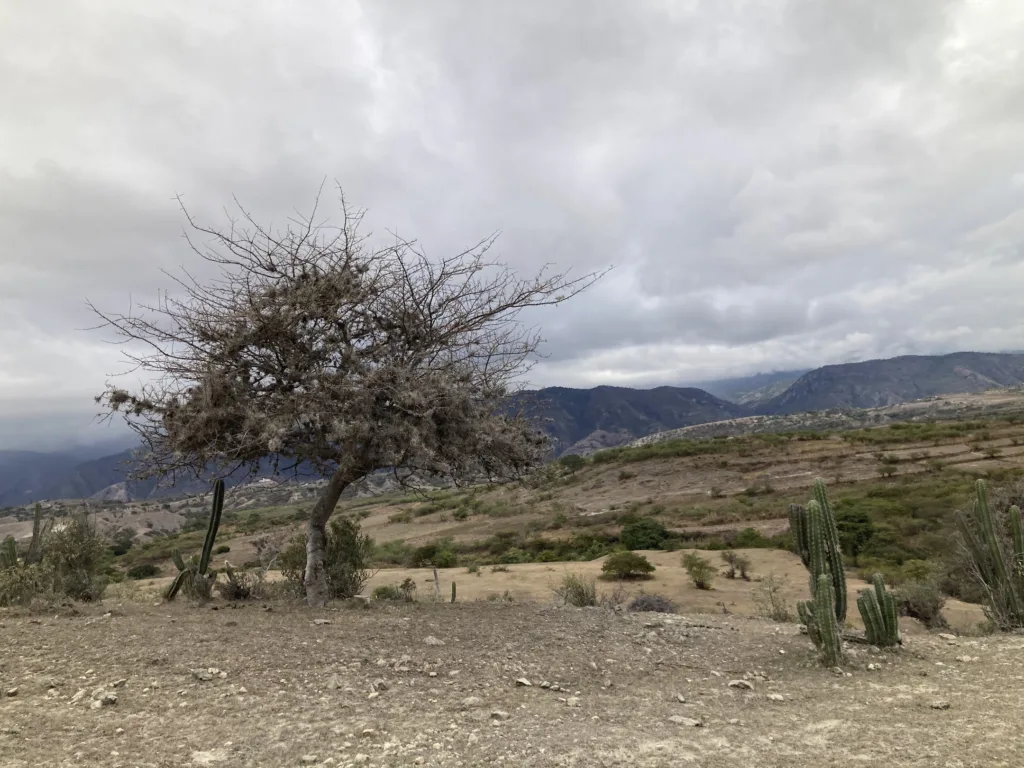
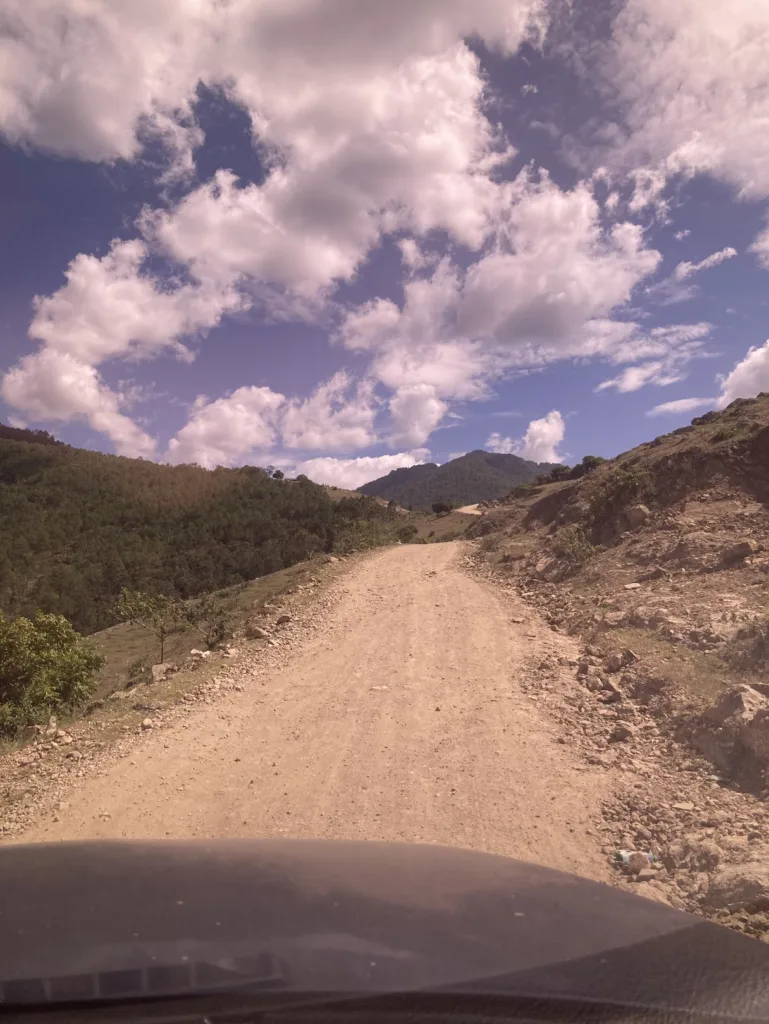
Our town sits in a desert-like valley between forested mountains. Villages to the south and west are cooler, greener, and receive more frequent rainfall. The villages to the north, however, are much drier and more desert-like. In just a 30-minute drive, you can go from muddy mountain roads surrounded by pine trees to dry, rocky roads lined with cacti.
While much of Quiché is known for its wetter climate, our area is part of the Dry Corridor. The Dry Corridor covers nearly 44% of Guatemala and extends through parts of Honduras, El Salvador, and Nicaragua.
This region is known for unpredictable rainfall, frequent crop failures, and particular vulnerability during El Niño weather patterns. Most people living in these areas are in rural communities, and more than half depend on agriculture for their livelihoods. As a result, prolonged droughts followed by excessive rains can be devastating for families across the region.
So, although it is technically rainy season, last night’s rain was remarkable, even if it didn’t last long.
Please join us in praying for rain in drought-stricken areas and for relief in places facing devastating floods around the world.
And at least for our own back yard, we praise God for faithfulness. Even while editing, rain had begun to fall- a second rain in 24 hours. God is good.
One Response
Ppraying