
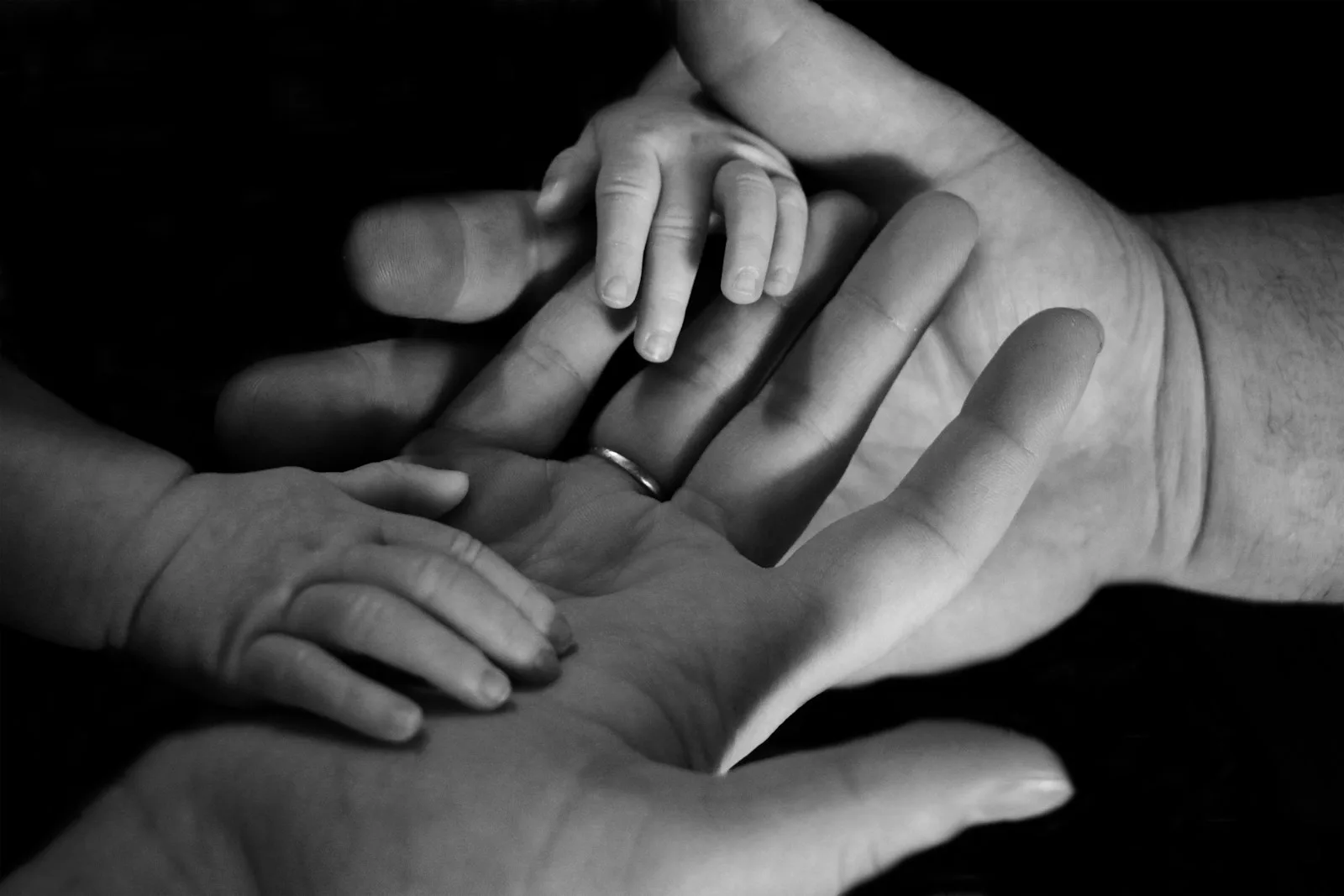
In the rural highlands of Guatemala, pregnancy is not experienced in isolation.
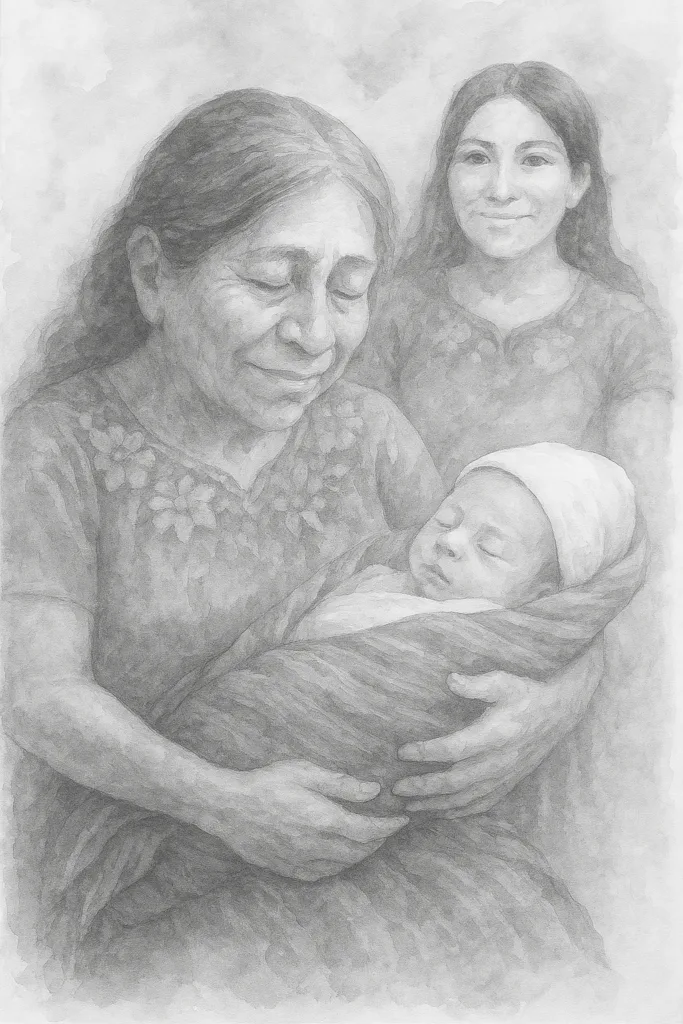
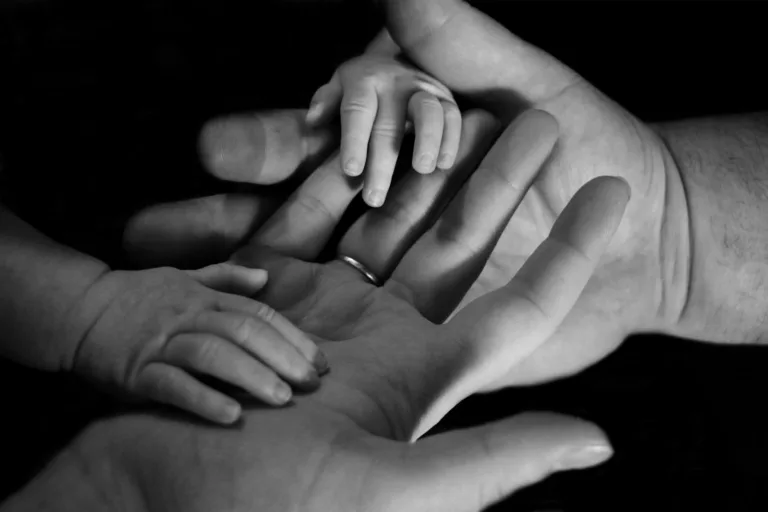
It is carried in community—within families, across generations, and often within the walls of a shared home. Long before a woman ever encounters a nurse or clinic, she is surrounded by mothers, grandmothers, and older women who walk closely with her through one of the most vulnerable seasons of life.
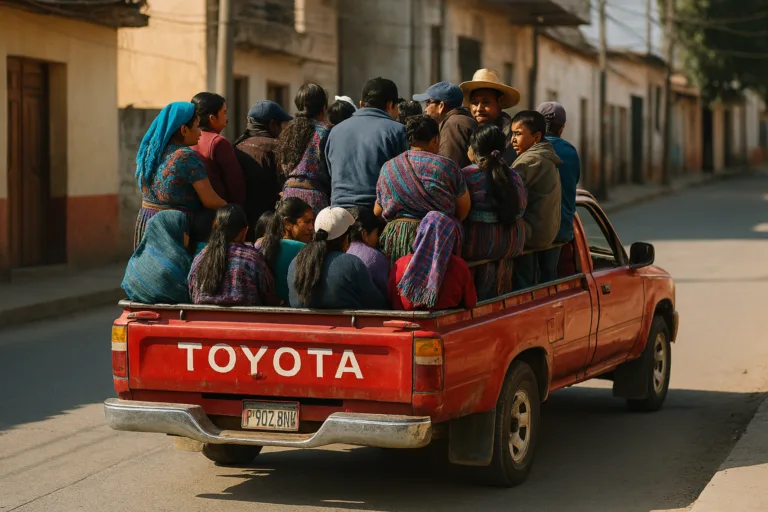
Access to medical care in these areas remains limited. Clinics are far away. Roads are rough. Language and cultural barriers are real.
For many women, formal prenatal care is inconsistent or entirely out of reach.
And yet, life continues.
Babies are born.
Mothers persevere.
Elderly midwives are community aunts and grandmothers proving insight without equipment, vitamins, or even knowing how to read.
Families step in to do what they have always done—care for one another.
In these communities, family is the first safety net.
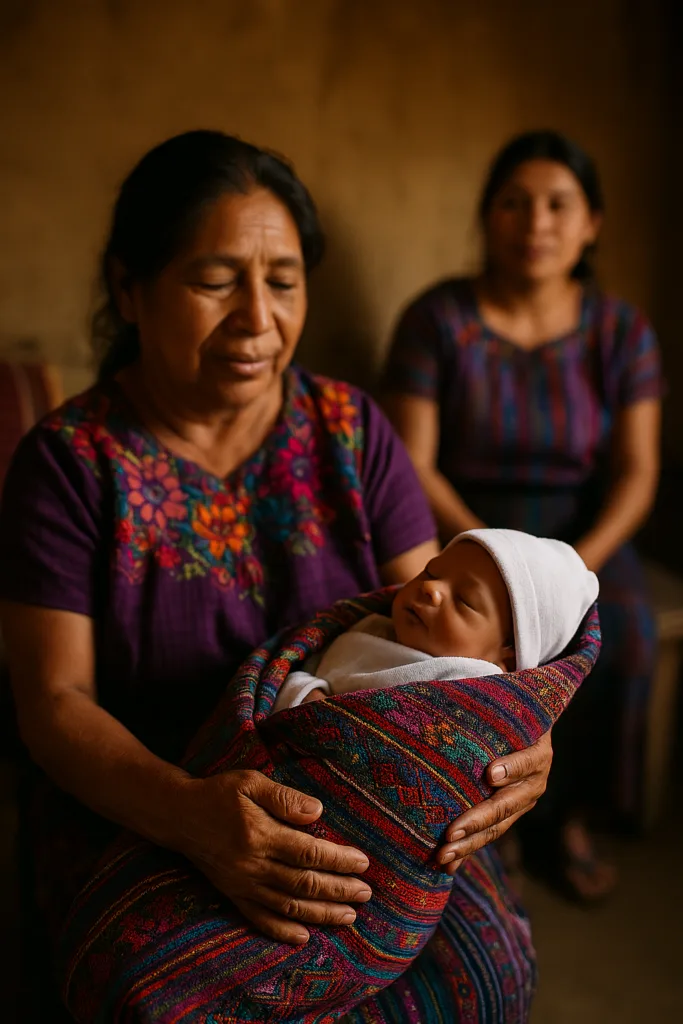
Where Love and Tension Coexist
But shared life also brings complexity.
Older women often hold significant authority within the family. Their voices carry weight, especially around pregnancy and childbirth.
At times, this can be a gift—protective, stabilizing, wise. At other times, it can be harsh or heavy.
Young mothers may feel torn between honoring the women who raised them and navigating new information or medical advice that challenges long‑held beliefs.
Choosing when to seek outside care, how to give birth, or whose guidance to follow can strain relationships. Respect runs deep here, and questioning an elder’s counsel is not easy.
One common example is the heat rashes so many babies have. We share the solution is to remove some of the many layers. Matriarches will chastise them for putting their baby at risk for a cold without a blanked in noontime heat. Imagine the conflicts of interests!
What we witness, again and again, is not rebellion or blind obedience—but quiet negotiation.
The Work of Accompaniment
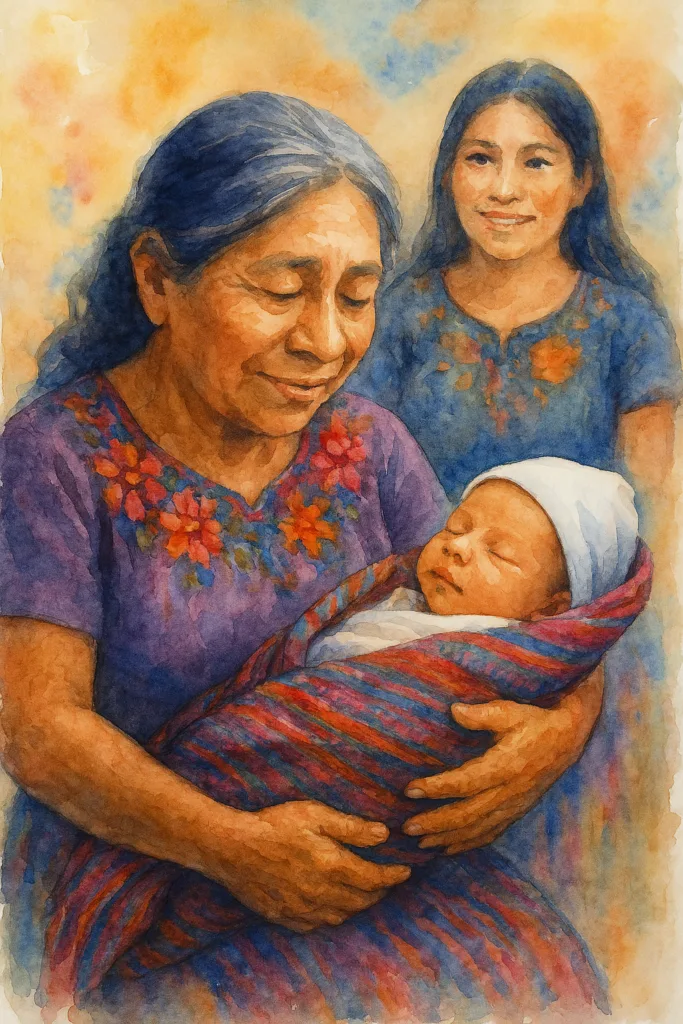
Our role is not to replace older women or dismiss traditional knowledge. It is not to prioritize programs over people or information over relationship.
This is where our calling becomes clear.
The most meaningful work happens when we walk with families, listening first, honoring wisdom, and gently making space for new understanding where it can bring life and safety. — and yes, at times challenging something that is unsafe.
When care is rooted in trust—when elders are respected rather than sidelined—families become partners rather than obstacles.
When younger women are supported, not silenced, they grow in confidence and agency.
And when faith‑based care centers presence, humility, and love, it mirrors the way Christ Himself walked alongside people.
In Scripture, we see Jesus slowing down, asking questions, touching the untouchable, and dignifying those on the margins. That same posture is required here.
Hope That Grows Between Generations
Pregnancy in rural Guatemala is not just a medical story. It is a spiritual one. A story of legacy and learning, tension and tenderness, faith lived out in daily acts of care.
When generations walk together—with patience, humility, and love—life finds a safer path forward.
And it is a privilege to walk alongside them.
One Response
Beautiful reminder of balance and respect. As always, thanks for sharing your journey. Praying for wisdom and strength as you navigate different challenges and decisions. Praying God open hearts and minds!